Category: Invasive Plant Removal

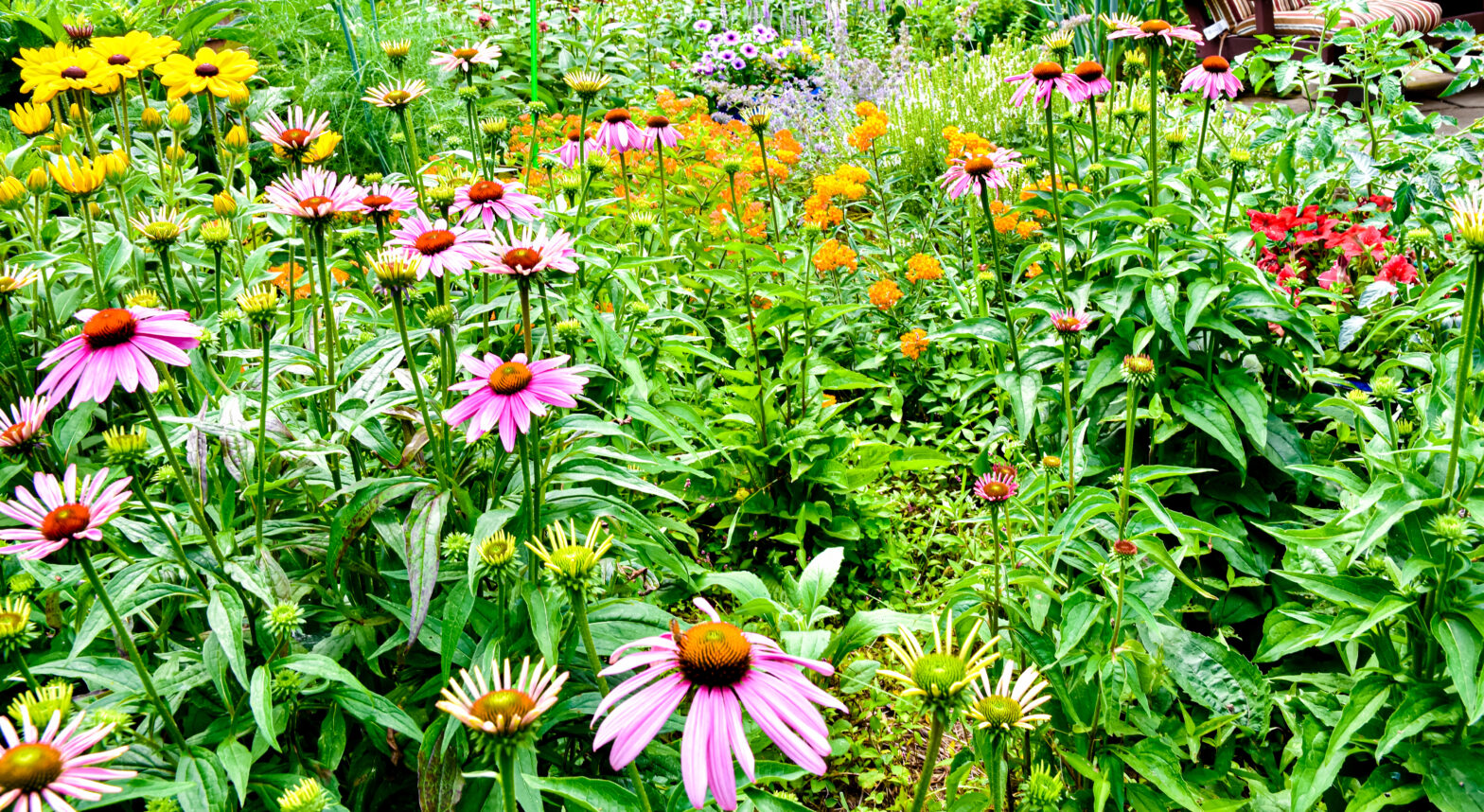
Our Earth Day Message: Planting Native
The mission of the Long Island Conservation Alliance is to help communities restore native habitat, whether in their open spaces or in their own yards. We support local stewardship, working with municipalities to teach the public about the importance of planting native. The future of our native wildlife depends on how well we can protect…

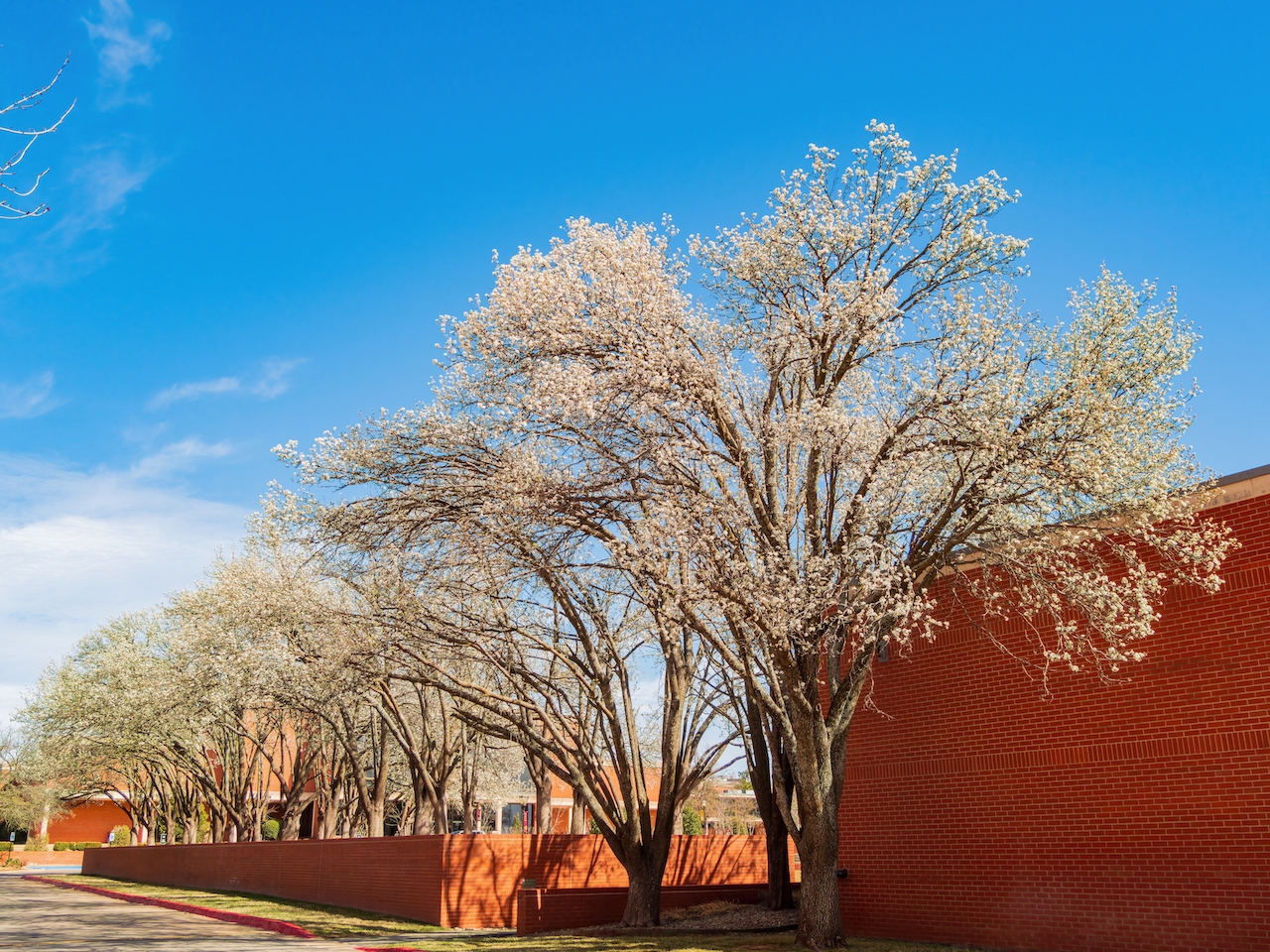
The Callery Pear Is Everywhere! And It Must Go!
The Callery Pear, a popular street tree for some reason, is invasive. It’s seeds are carried by birds into our woods. It is a brittle tree, short lived, fast growing. It’s roots destroy sidewalks. Yet people are taken in for their supposed aesthetic beauty — the spring flowers and fall leaves.

The Lawn Is An Invasive Species
The lawn describes a chaos of weeds from all corners of the earth fighting it out to make your yard as ugly and lifeless as possible.

Lyme Disease And English Ivy
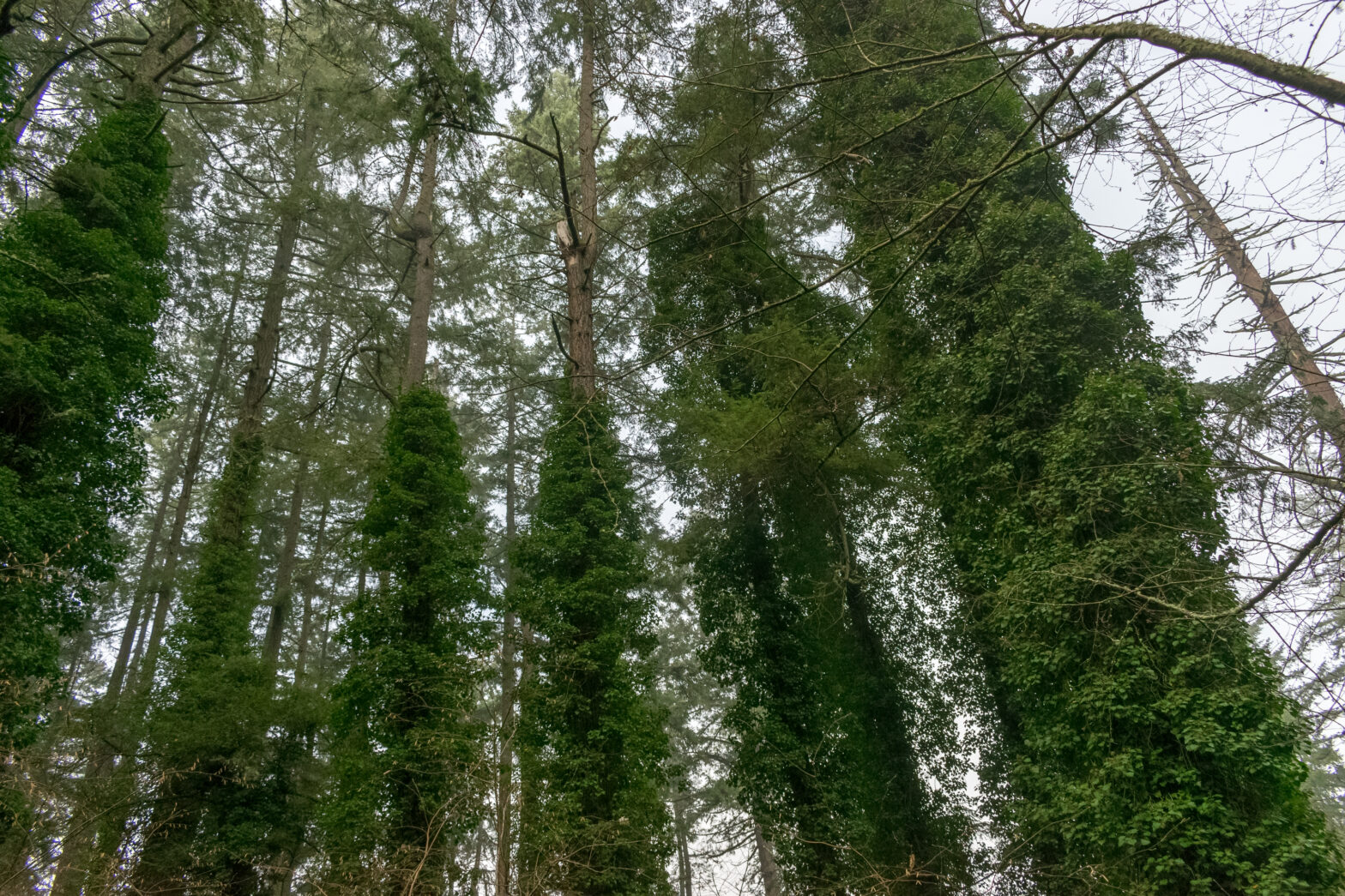
English Ivy is not only killing trees across the country, and especially on Long Island, where homeowners, businesses, and municipalities are letting it run rampant, it is also helping to spread Lyme Disease and other tick borne illnesses. Before we talk of Lyme Disease, however, let’s first note just how destructive English Ivy is to…
Invasive Plant: Lesser Celandine
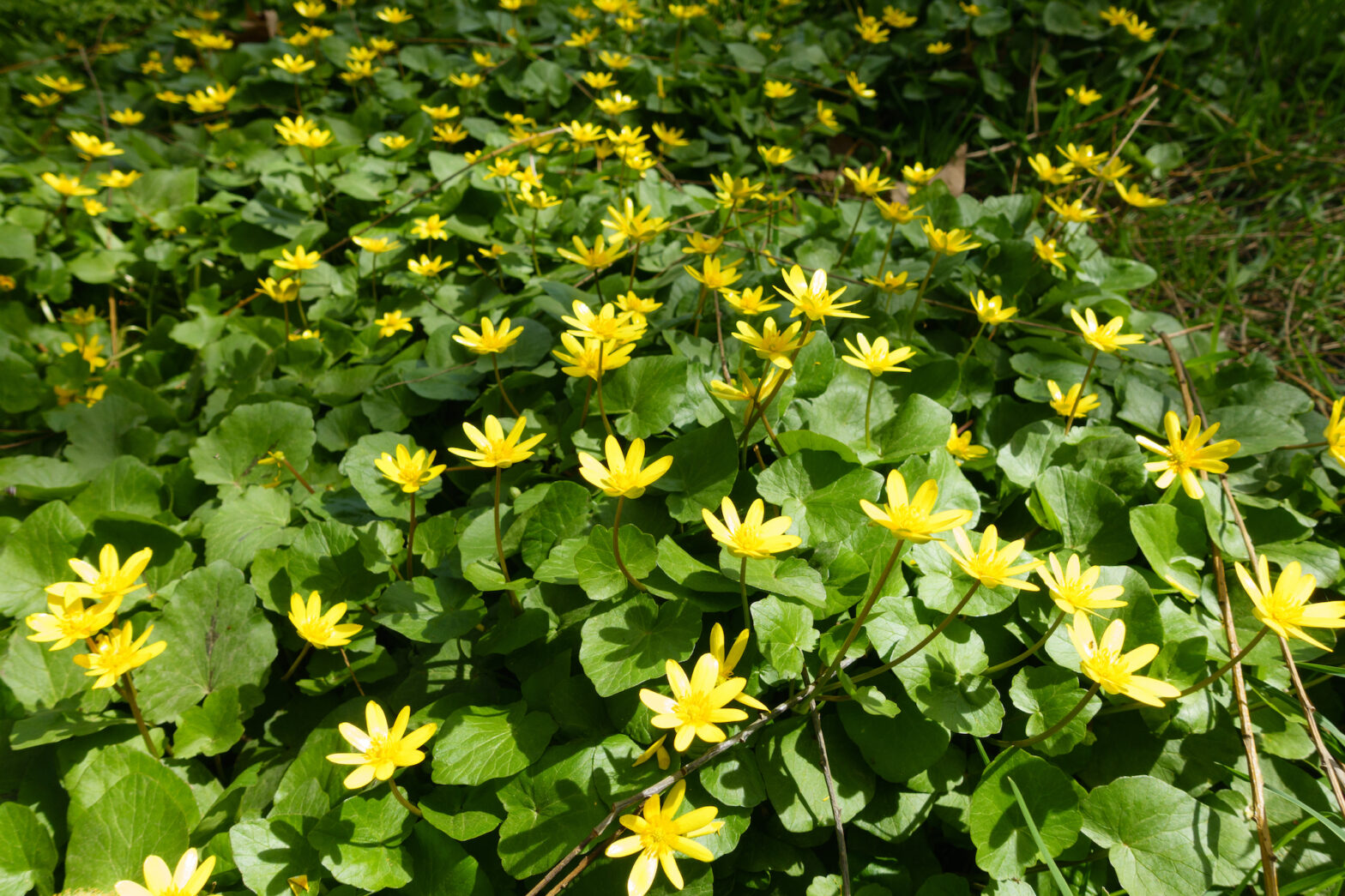
Lesser Celandine, an early spring denizen, is an aggressive invasive plant that smothers native ephemeral flower and plants.

Book The Long Island Conservation Alliance
Long Island is facing an environmental crisis. What native habitat we have left is rapidly vanishing. We can do something about this.

Japanese Knotweed: Problem #1
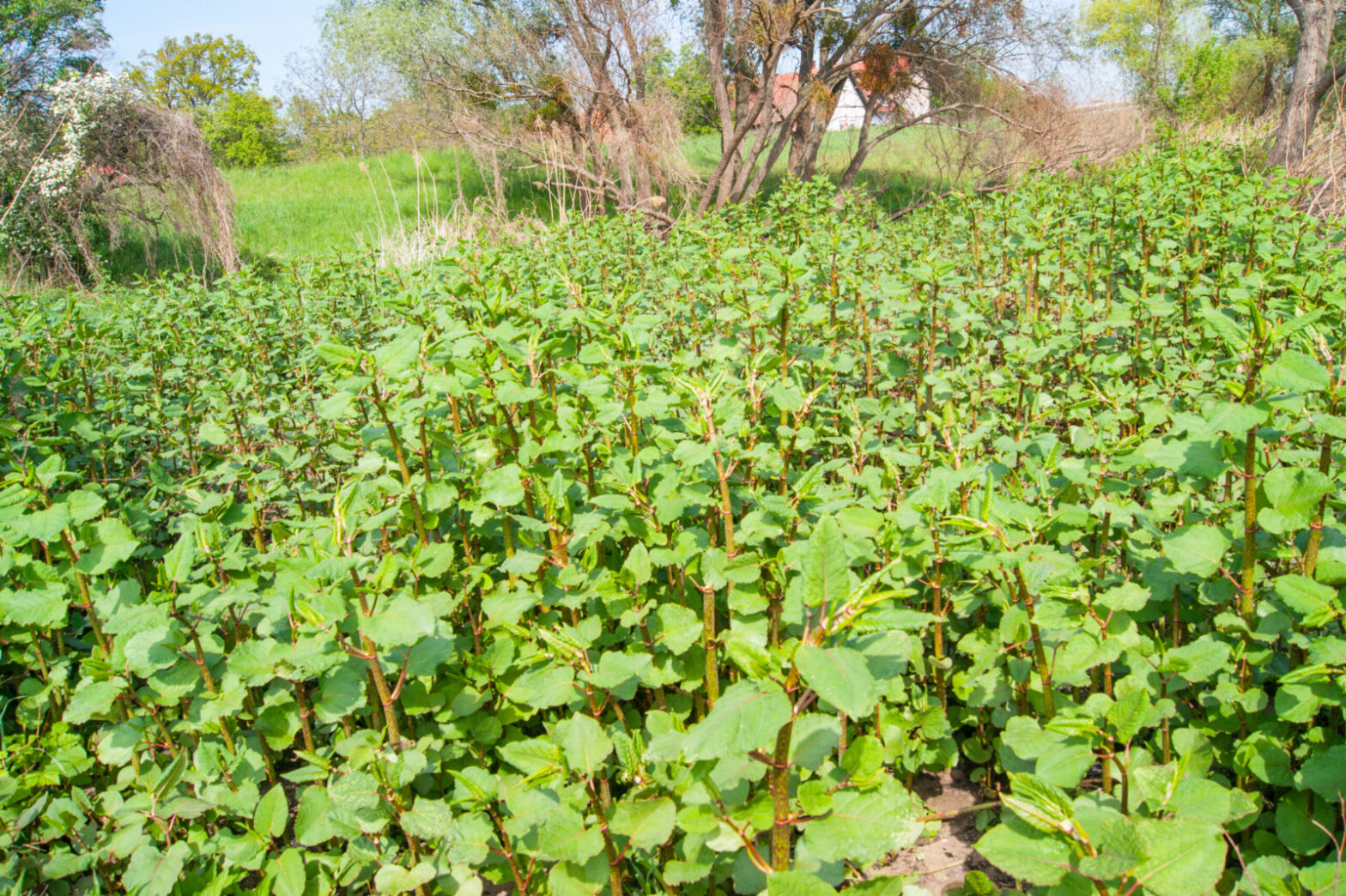
Japanese Knotweed is set to take over. It may be the world’s worst invasive plant, and we have a great deal of it.
English Ivy: A Haven For Ticks?
Could it be that English Ivy contributes to the spread of ticks by providing cover for them and for the white-footed mouse?
Native Plants at Meadow Croft
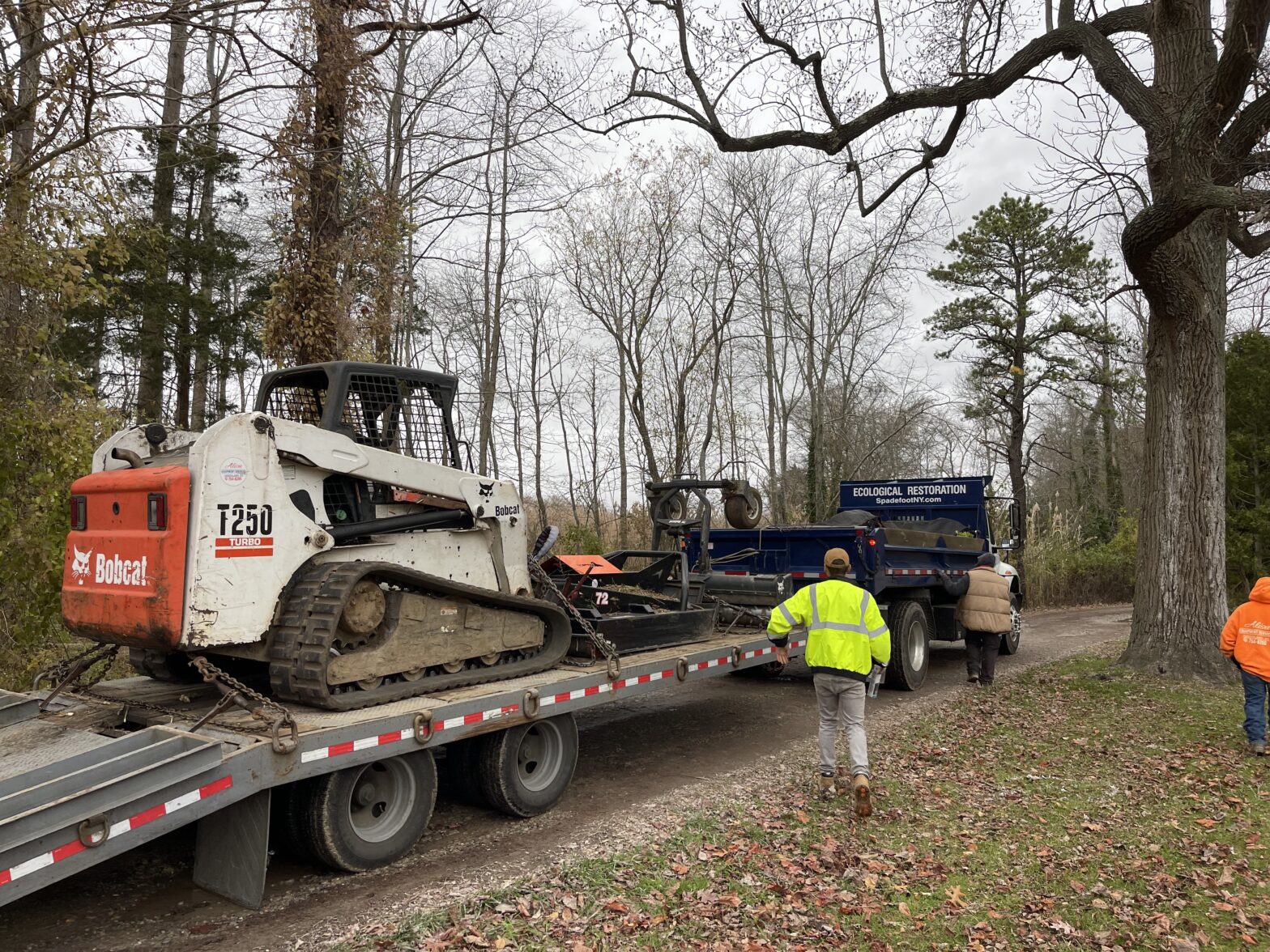
The Long Island Conservation Alliance, with the support of Spadefoot Design and Construction, has been engaged by The Bayport-Bluepoint Heritage Association to restore habitat at Meadow Croft, the historic estate of John Roosevelt, Theodore’s first cousin. Removing Invasive Plants, Planting Natives With the guidance of The Suffolk County Parks Department and it’s Director of Historical…

We Must Seed The Future
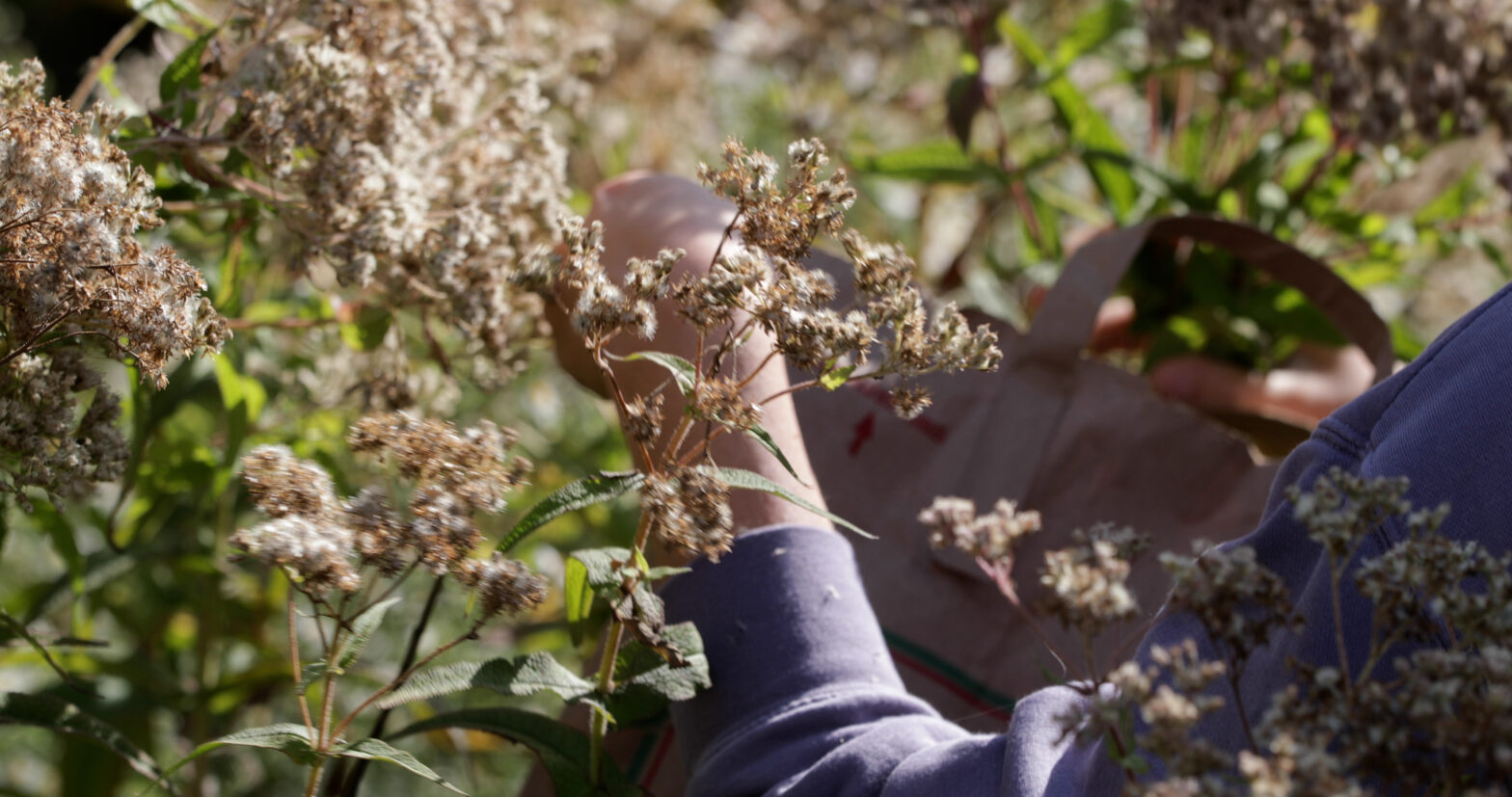
The young people of Sayville are helping to harvest native wildflower seeds to be planted in beds throughout the community