
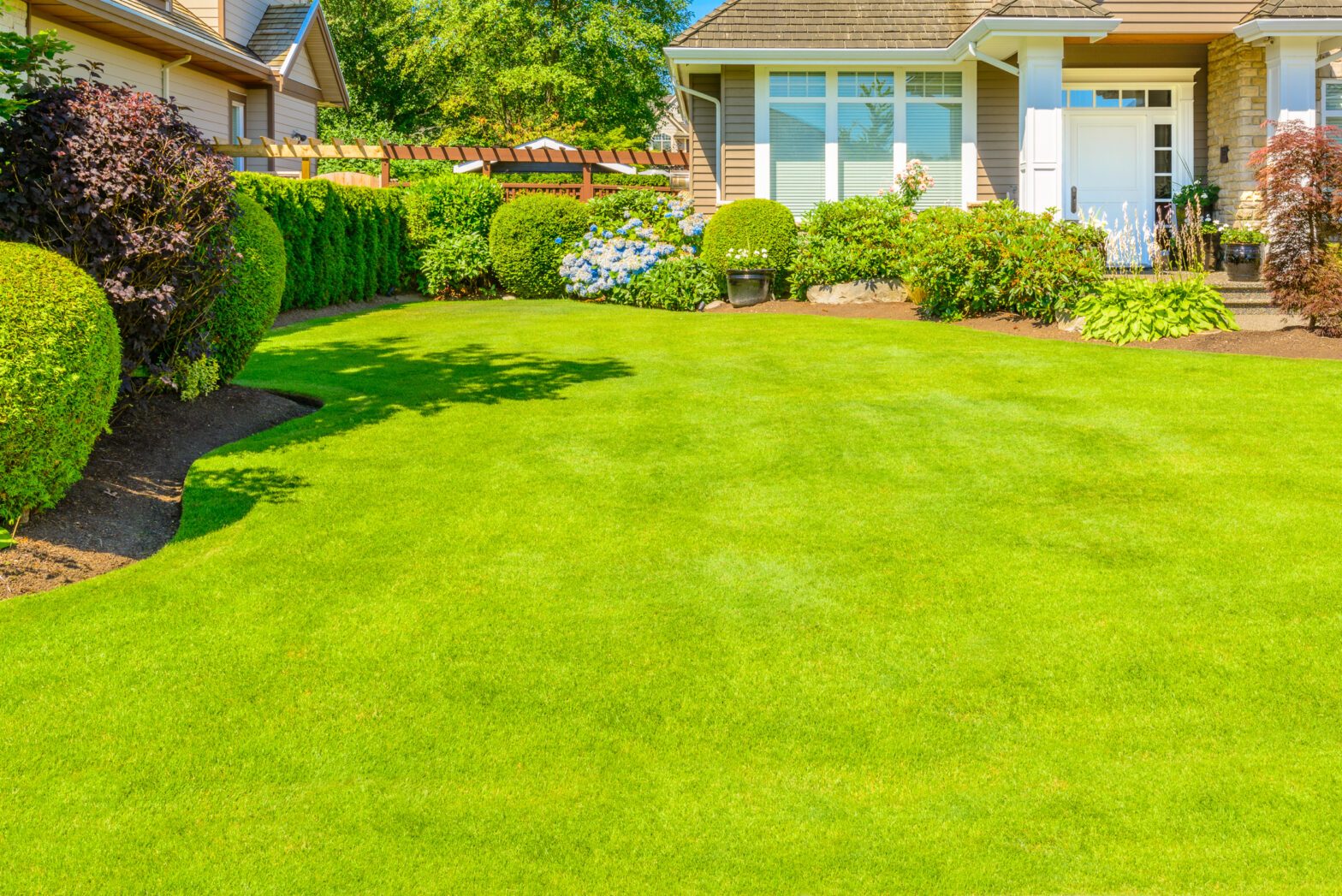
It would seem that Kentucky Blue Grass is native lawn. The fact is, it is a European/Asian grass brought over by the first settlers to North America so that their livestock could feed on it.
Now it is spreading all over the prairies, crowding out the native grasses, destroying habitat for our local insects and birds in particular. Anyone writing about plants who says that a plant was ‘introduced’ and became ‘naturalized’ does not understand basic ecology. Plants have very particular niches. They can’t be put into a different food web somewhere else without disrupting it.
Plants have chemical defenses against insects generally. It takes eons for insects to adapt to where they can eat a given plant. You wont find insect bites on daffodils, tulips, crocuses, dandelions, or any of the other bulb flowers brought here by the Dutch. They are alien plants, mostly not invasive, though to my mind the Tiger Lily and the Snowdrop come close,
Non-native plants are at best ‘missed opportunities’ for local nature. Such plants are invisible to local insects and fairly useless to the local food web. At 40,000,000 acres or 6250 square miles, the US lawn is arguably the biggest missed opportunity of all. The suburban lawn must die so that our native plants and animals may live. It is time to kill our lawns. We are causing with our destruction of local Nature The Sixth Great Extinction. That is just the scientific fact of it.
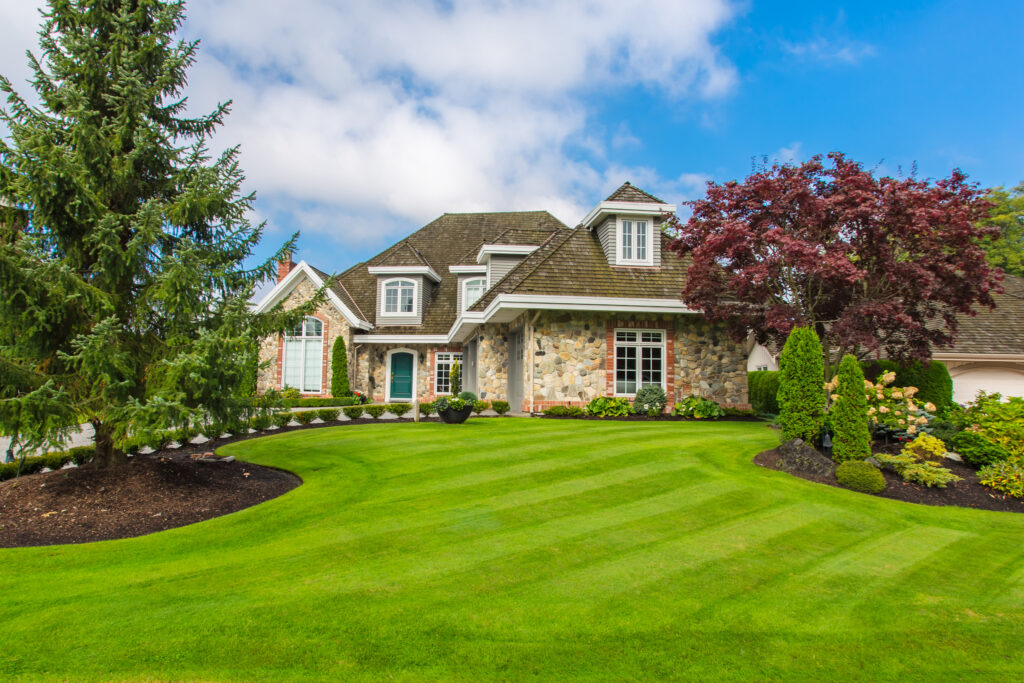
Look at all the watering, fertilizing, herbicides, and pesticides and fungicides it takes to keep our lawns that perfect iridescent green. But it’s lifeless. The perfect lawn is a monocrop. It crowds out everything else, and Scotts and Monsanto/Bayer are more than happy to sell you all you need to kill everything on your lawn except this alien grass.
And we waste so much effort mowing and fertilizing, hiring a mow and blow crew to keep the lawn perfect. So much effort, so much noise and fumes. Perfectly good drinking water, meant for our children and grandchildren, goes to keeping the lawn alive. Long island can get very droughty. We also have only one source of drinking water — what the glaciers left 11,500 years ago. We only get one of them. No matter! That fake Scotsman keeps screaming at me to “feed your lawn” at every commercial break. What would the neighbors think!
Now since lawns are composed of non-native grasses, there is not a lot of protection against other weeds creeping in, and there are a lot of them. Sure one could buy all the necessary chemicals to keep all that at bay, have the landscaper treat the lawn for whatever ails it. But since this is no longer a native environment, invasive weeds from all over the country and the world readily find a home in our yards.
Mugwort, Hairy Bittercress, Nutsedge, Garlic Mustard, Chickweed, Lamb’s Quarters, Johnson Weed, Crab Grass, Onion, Purple Dead Nettle, Zoysia — the list of weeds (non-native or invasive) is a long one. Our lawns, as disturbed habitat, much be zealously maintained at great cost and effort, or the weeds come in with a vengeance.
The good news is, there are native grasses we should plant instead — Little Blue Stem, Big Blue Stem, Switchgrass.
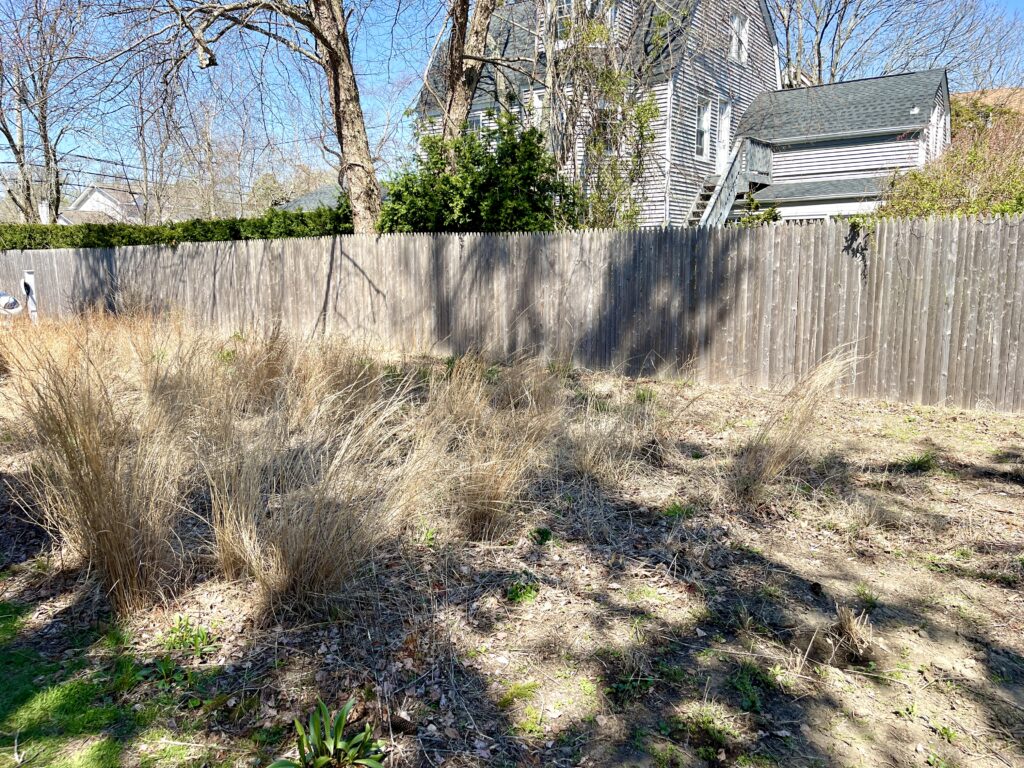
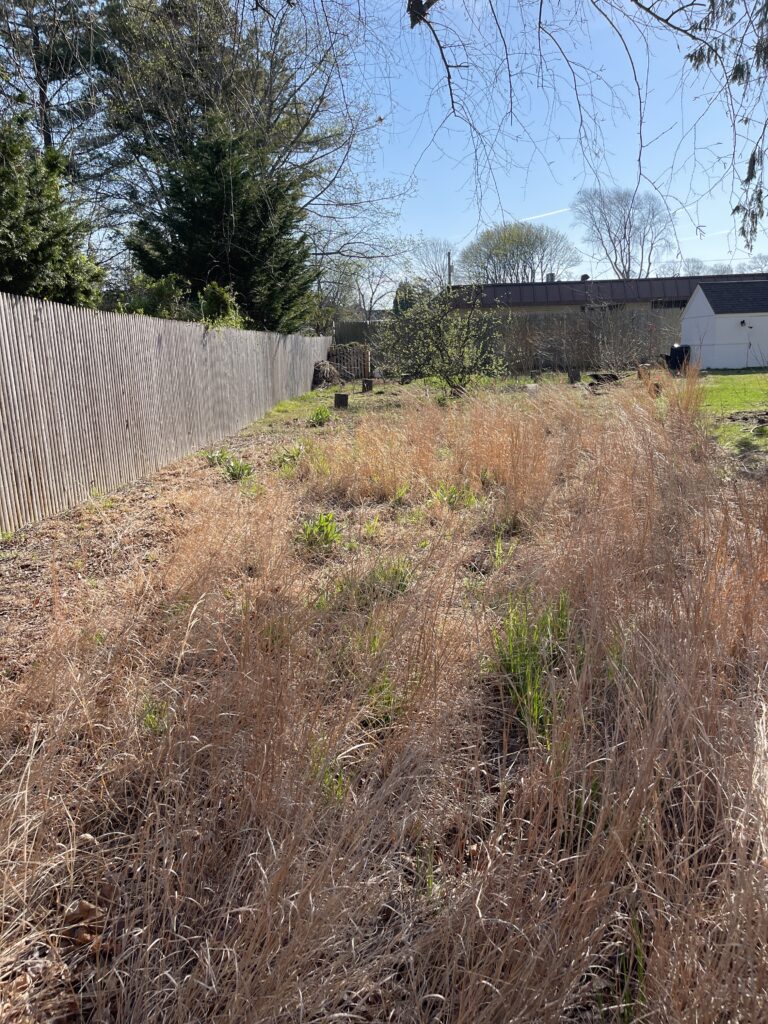
The only weeds here are where we haven’t replanted native grasses. While Kentucky Blue Grass is good at crowding out other plants (that brings its own problems of course), it is not nearly as good as native grasses are at keeping out weeds. Native plant roots run deep. They stabilize the soil and help support healthy soils rich in microbes.
The native grasses of Long Island are also highly drought tolerant. They need to be here. Some Long Island lawns get the equivalent of 100 inches of rainfall a year as we spend every effort to try and match this perfect green that the fake Scotsman on TV keeps bellowing about.
Ditch the lawn. Let’s face it. No one uses it. It’s for show, mostly. You will get squirrels and robins on your dead but very green lawn, but that is about it frankly. Get out from behind that lawnmower. Who needs the fumes? Who needs to walk in straight lines and concentric squares so you get to do it again the next weekend?
There’s time, and there’s money. Imagine just restoring what belongs in your yard — native plants — and paying nothing for all the beauty and local wildlife that will be summoned. Nature doesn’t need to spend a dime to stay beautiful. You don’t have to either.
Of course you will still be weeding. We are being overrun, and there are so many weeds and invasive plants being pooped onto the property as seeds via birds or carried by the winds that that will still be a necessary evil. At least though you don’t have an overwatered, over fertilized lawn of non-native as a landing pad for all those weeds.
‘
This was just covered with Hairy Bittercress.
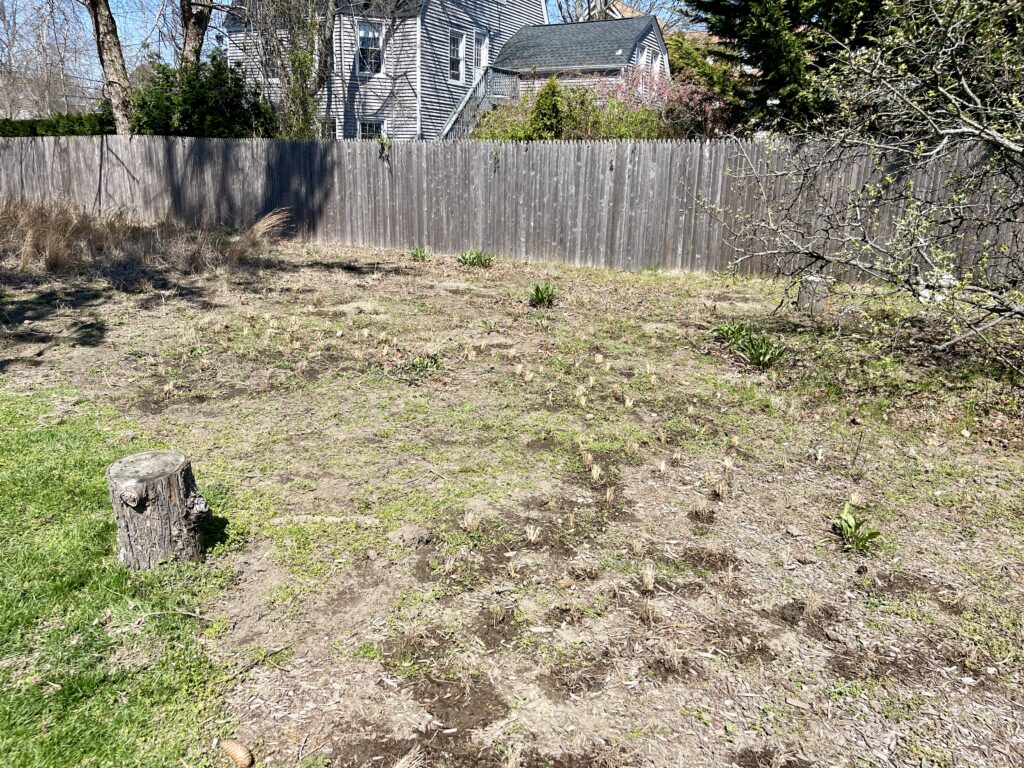
All Nature needs is the opportunity to return. You will need some water initially to get your natives plants started, but after that, it should be self sustaining, given you will still get some weeds from the neighborhood.
And once your lawn starts to go native, you will be surprised at how many people actually like the look — a lot more than you’d expect given how people feel so judged by whether or not their lawn conforms to some dayglow green fever dream as to how things should look.


Leave a Reply