
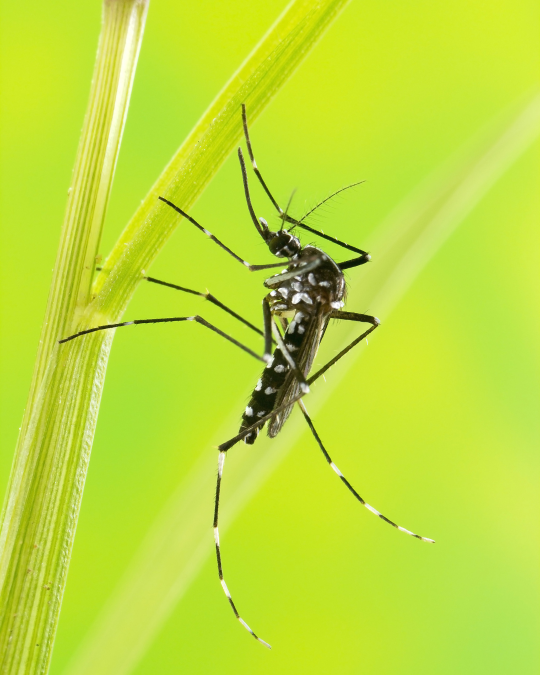
Summer on Long Island means more time outdoors, and more mosquitoes and ticks. The instinct for many homeowners is to reach for a chemical spray, but that’s not always the best first move. Pesticides don’t just target pests; they can also harm the pollinators, birds, and small mammals that make our backyards and natural spaces come alive.
The good news: two easy, do-it-yourself projects can make a real difference this season, and both work with the local ecosystem instead of against it.
Project 1: The Mosquito Dunk Bucket
This one sounds counterintuitive. You’re going to deliberately create a spot mosquitoes love, but that’s the whole trick.
Female mosquitoes seek out stagnant water with decaying leaves and grass to lay their eggs. A dunk bucket mimics that perfect breeding spot, luring them in. Once the eggs hatch, the larvae feed on Bacillus thuringiensis israelensis (Bti), a naturally occurring bacterium found in mosquito dunks sold at hardware and garden stores. Bti stops mosquito larvae in their tracks while remaining harmless to birds, bees, pets, and other wildlife.
How to build one:
- Fill a 5-gallon bucket about halfway with water.
- Add dried leaves, grass clippings, straw, and other yard debris.
- Let it sit for several days so the debris starts decomposing, this is what attracts the mosquitoes.
- Add a quarter to a half of a mosquito dunk.
- Cover loosely with a modified lid, netting, or chicken wire to keep pets and wildlife out, and drop in a stick or small ramp so any little critters that fall in can climb back out.
- Place the bucket in a shaded, quiet spot away from patios and decks.
- Replace the dunk every 28 to 30 days.
Got a larger property? Try placing a few buckets around the perimeter of your yard to intercept mosquitoes before they ever reach your patio.
Project 2: Tick Tubes
Most Lyme disease cases come from blacklegged (deer) ticks in their nymph stage, tiny, hard-to-spot larvae that pick up bacteria from white-footed mice. Tick tubes break that cycle at the source, targeting the larvae on the mice themselves without harming other wildlife.
How to build them:
- Save cardboard tubes, paper towel or toilet paper rolls work great.
- Loosely stuff each tube with cotton balls or dryer lint soaked in a permethrin solution (available at outdoor and sporting goods stores). Let them dry slightly before stuffing.
- Place 6 to 12 tubes per acre in areas where mice travel: along fence lines, wood piles, stone walls, shrub borders, and leaf litter.
Mice gather the treated cotton for nesting material, and the permethrin kills tick larvae on the mice before they mature. Replace your tubes twice a year, late spring and early fall, to cover both tick seasons.
Small Steps, Lasting Change
These traps work best as part of a bigger picture: clear standing water, keep grass trimmed, remove leaf litter, wear protective clothing in wooded areas, and do daily tick checks during the season.
At the Long Island Conservation Alliance, we believe protecting our backyards and protecting our wetlands, woodlands, and waterways go hand in hand. Every small, thoughtful choice ripples outward, for the pollinators, the birds, and the neighbors who share this island with us.

Leave a Reply