For Science Speaker Series: Going Native on Long Island
Destination Unknown Brewery ‘s For Science Speaker Series continues this Saturday April 8th between 1-4 with ” Going Native on Long Island. ”
Destination Unknown Brewery ‘s For Science Speaker Series continues this Saturday April 8th between 1-4 with ” Going Native on Long Island. ”
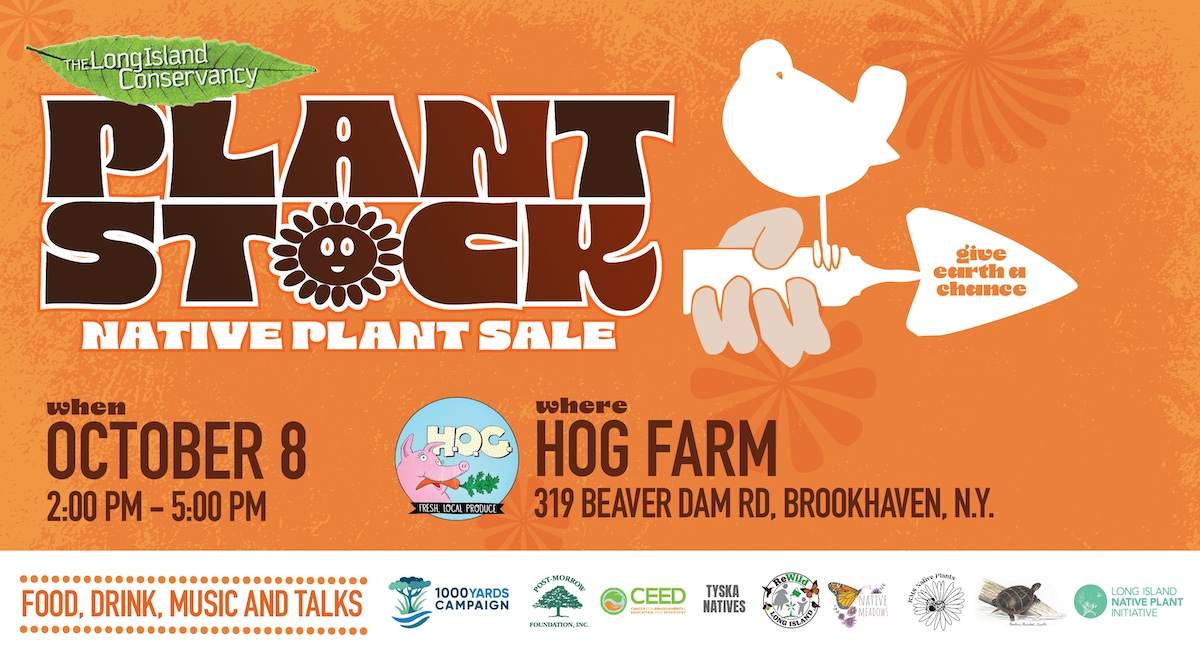
Buy native plants at Plantstock! Learn about them, about native meadows, about the invasive plants now threatening Long Island and its native habitats, meet fellow plant people, become part of e GROWING movement!
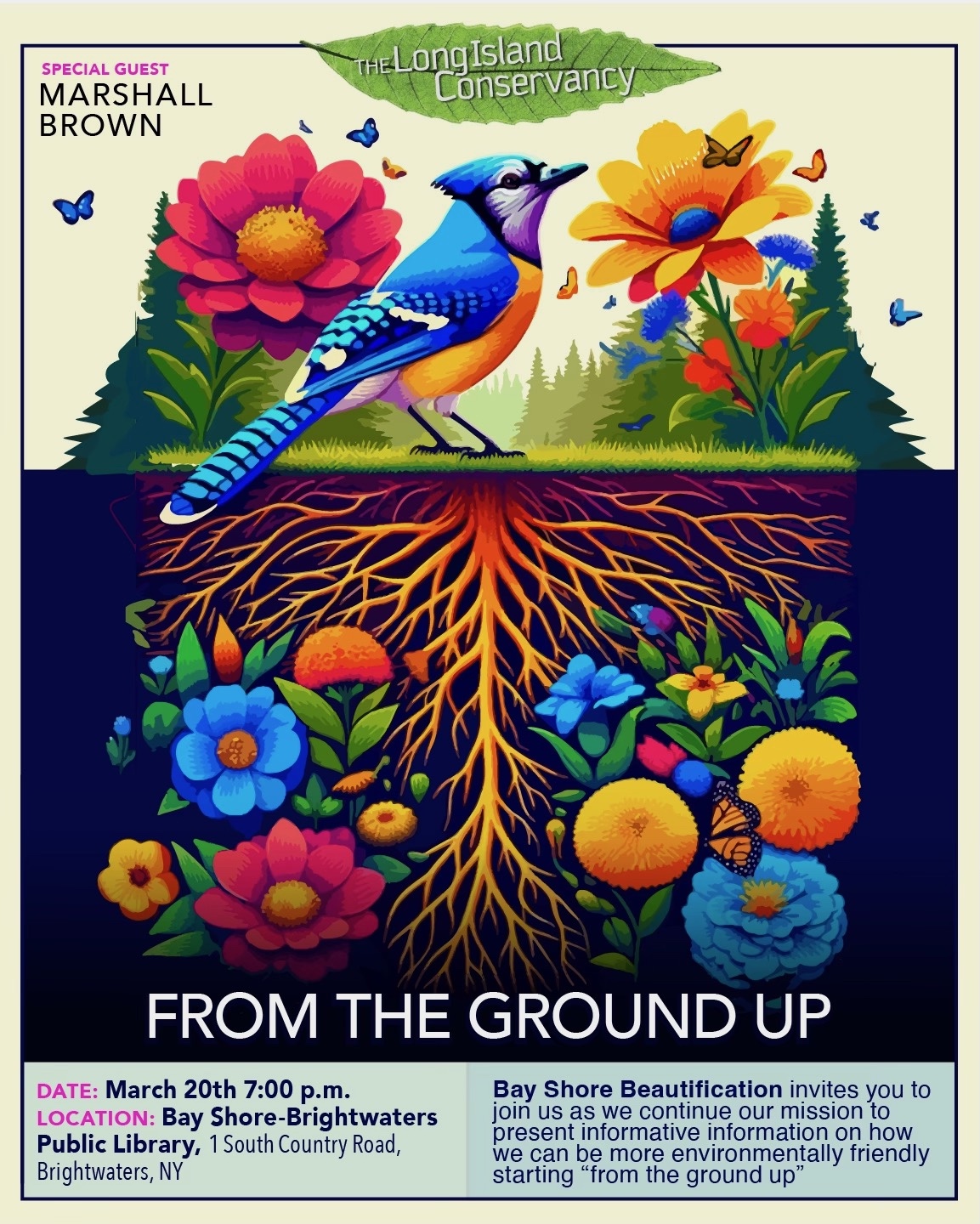
![Untitled-2 [Recovered] Beautification](https://longislandconservationalliance.org/wp-content/uploads/2024/02/Bayshore-Beautification.jpeg)
Bay Shore Beautification, an organization newly formed to bring green practices and native greenery to the community, is hosting a public discussion of how that could be achieved, whether in the community’s parks and public spaces or in one’s own yard.

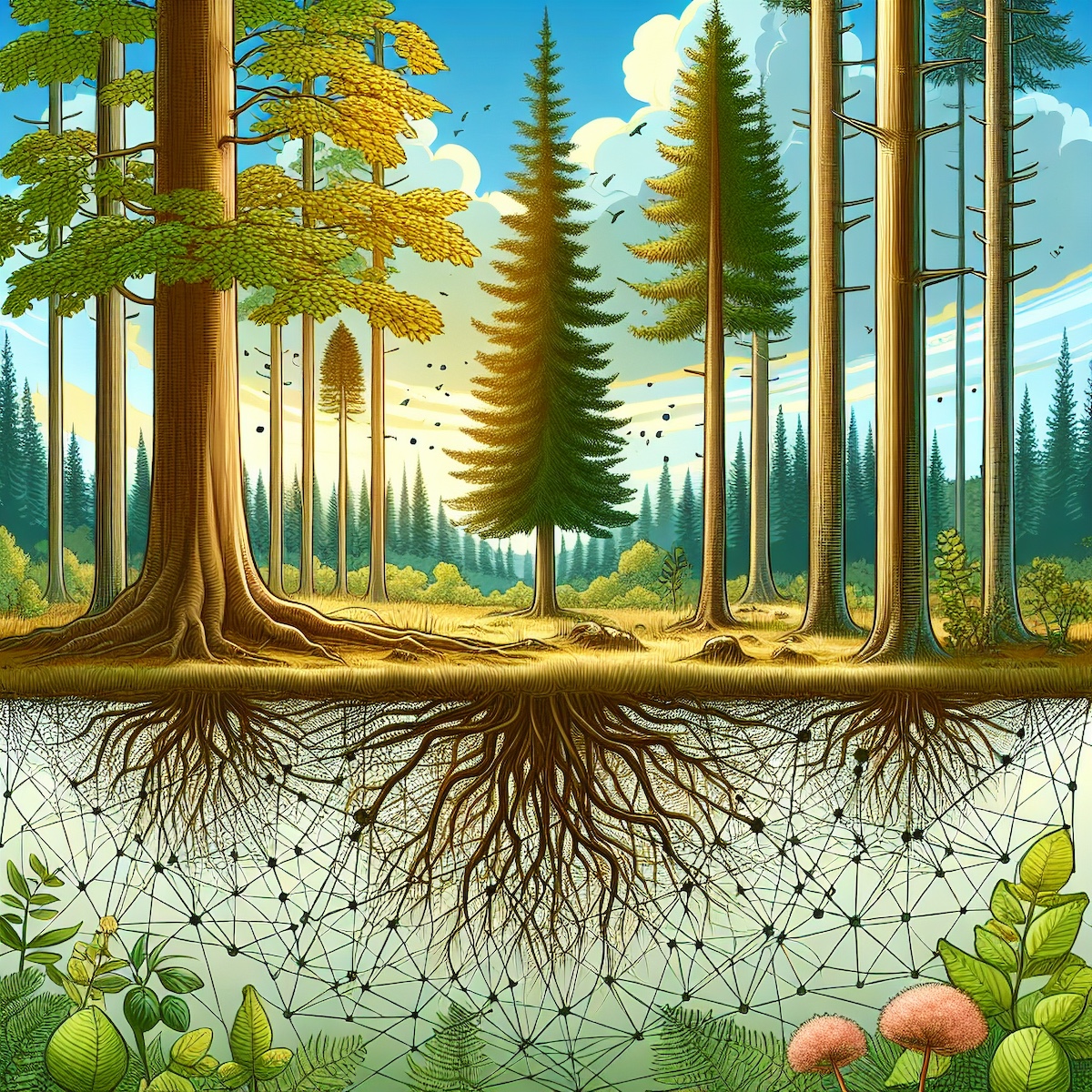
Soil health is essential to forest health. But what constitutes soil health? Biologist Frank Piccininni takes us on a journey to the life underground at West Hills County Park. There, he will show how fungal networks help determine the composition of the forest above, what trees and plants flourish where, and how invasive plants disturb the order of things below and therefore above.
Marshall Brown, Co-Founder of the Long Island Conservation Alliance, will be speaking on native plants, invasive plants, and ecosystem services i.e. the importance of biodiversity, food webs, and soil health. March 18th, 2026 6:30pm – 8:45pm HHHC Library – Lecture Hall Visit the Dix Hills Garden Club website for more info on how to join.
Join us for a discussion on Long Island’s Ecosystems: Past, Present…. and Future?
On April 16th, 2026, at 7pm, Marshall Brown, President of the Long Island Conservation Alliance, will be talking about Long Island’s Ecosystems at the Cold Spring Harbor Library

Long Island needs its native plants. Without them, we lose our local wildlife. Most of what is available for sale, however, are non-native. Non-native plants provide little sustenance for our local creatures. They weren’t adapted to feed from them, that’s our bees, or birds, or butterflies. Worse, we have to contend with invasive plants, some of which are still for sale here locally. Invasive plants actively destroy native habitat and hasten the departure of our local wildlife.

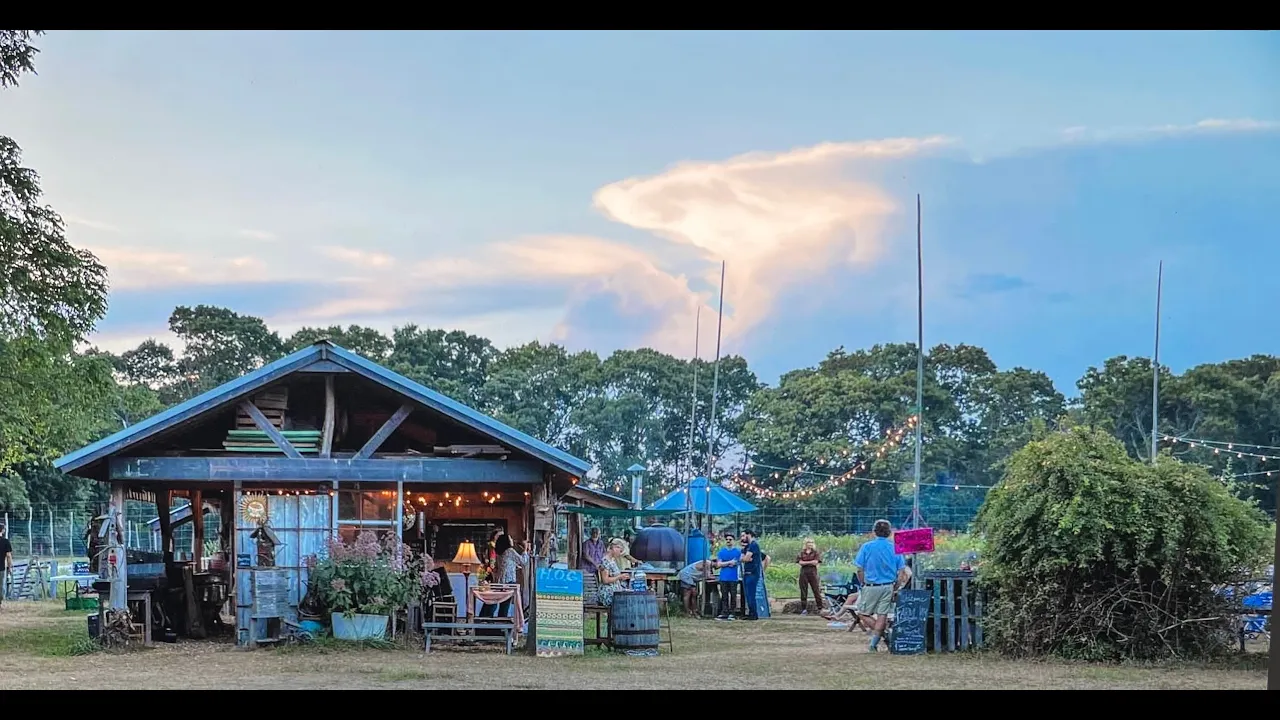
Once again, Plantstock comes to Hamlet Organic Garden. This biannual event, with Plantstock VI, is now in it’s fourth year. The purpose of Plantstock is to build Long Island’s community of native plant growers and gardeners. Come meet your fellow native plant enthusiasts. Find the plants you are looking for from such organizations as Long Island Natives, LINPI (The Long Island Native Plant Initiative), Tyska Native Plants, and a number of others to be announced. Learn from Long Island’s native plant experts and enjoy the magic of Hamlet Organic Gardens, a CSA (Community Supported Agriculture) in Brookhaven Hamlet.
When you plant native plants, you support local wildlife. We need a lot of native plants in our yards and our public spaces if we are to continue to experience the presence of local wildlife, in particular birds, butterflies, and bees. So find out what’s native and what’s non-native, and by all means, what’s invasive.