Category: Local Stewardship


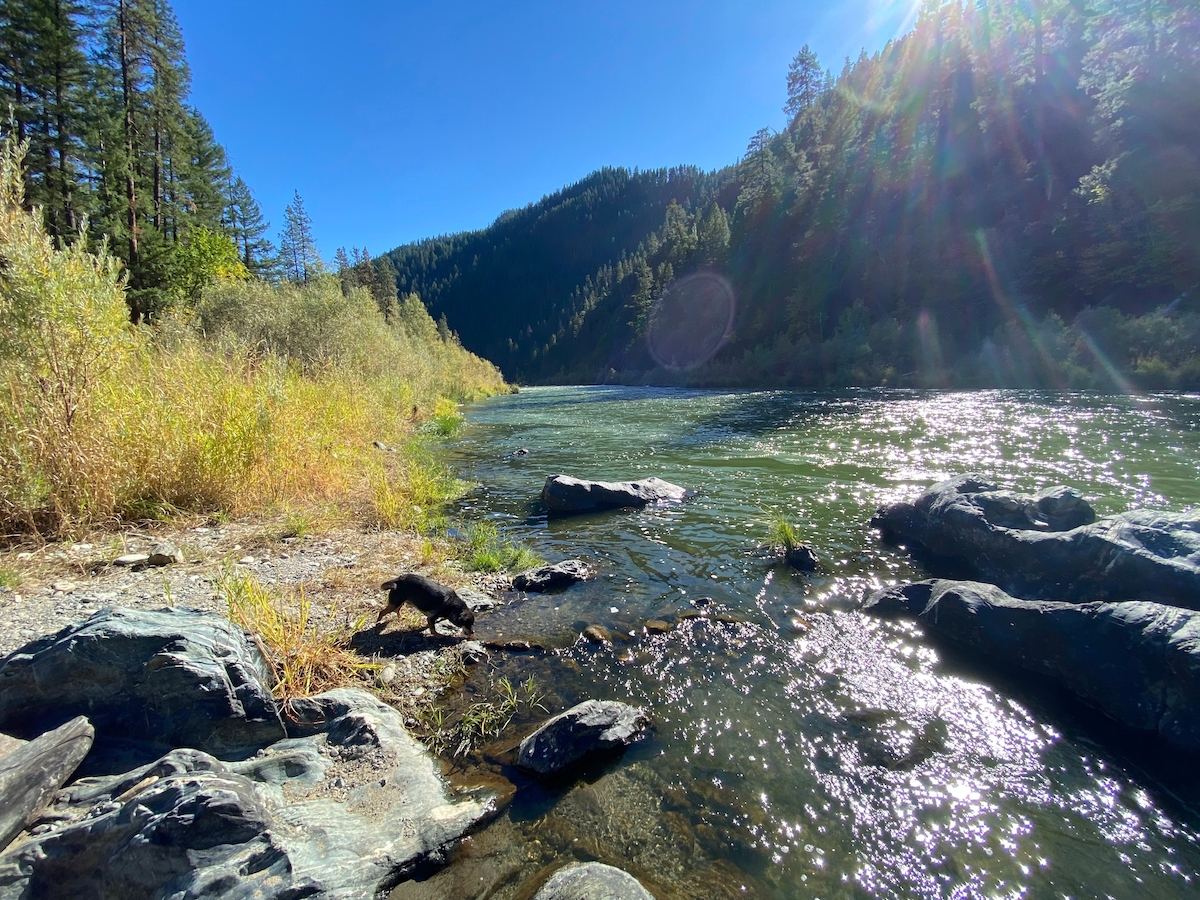
Restoring A River And Triggering The Largest Environmental Restoration Project in US History
Restoring a river begins with the community that lives along it. Love where you are from. Protect it. Heal it. Never give up.

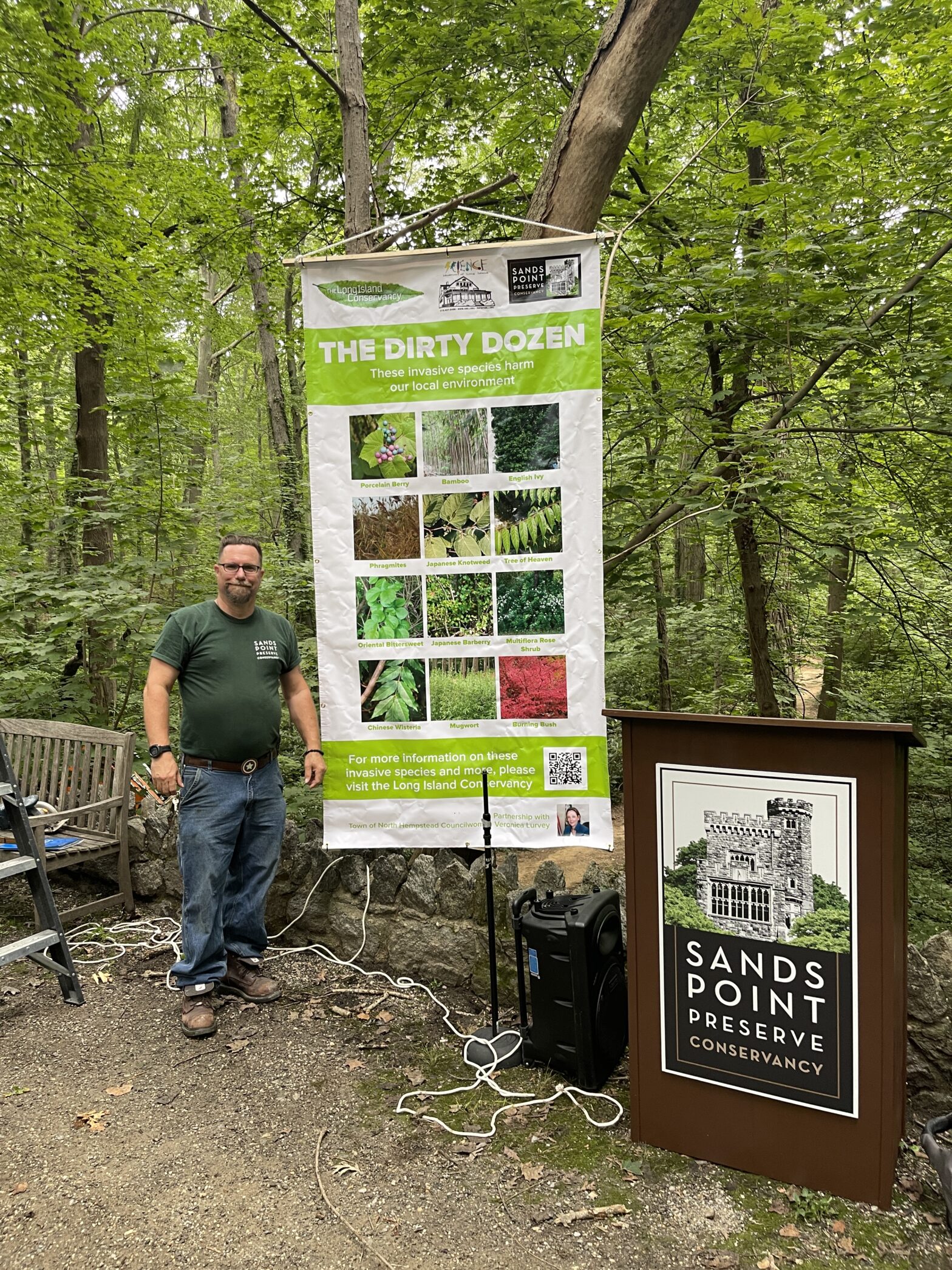
The Dirty Dozen Campaign Begins
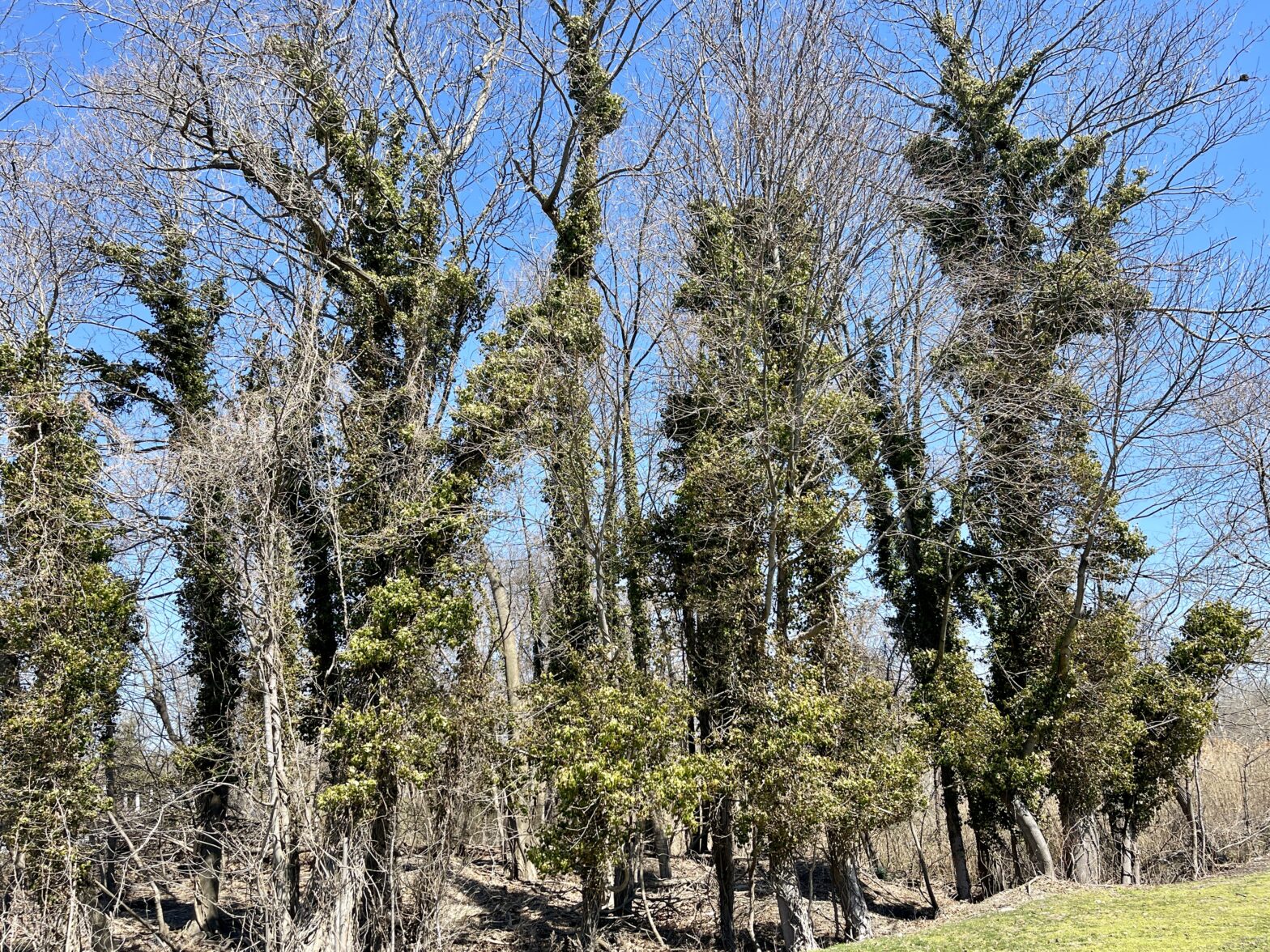
The Dirty Dozen Campaign names The Twelve Most UNWANTED Invasive Plants
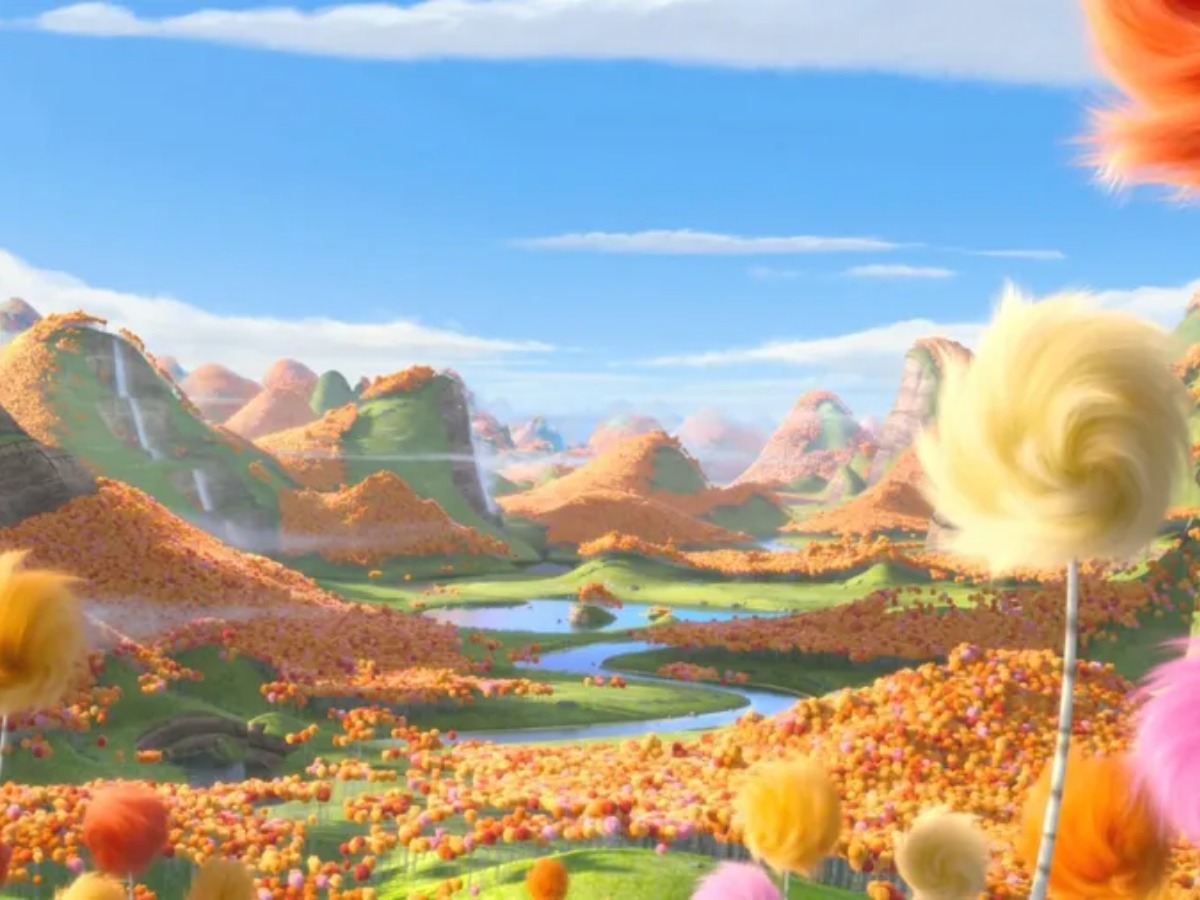
We Are All Loraxes Now
We must all be Loraxes now, champions of Nature in our community. Unless someone like us cares a whole lot, nothing is going to get better, it’s not.
Sumps Must Become Native Habitat
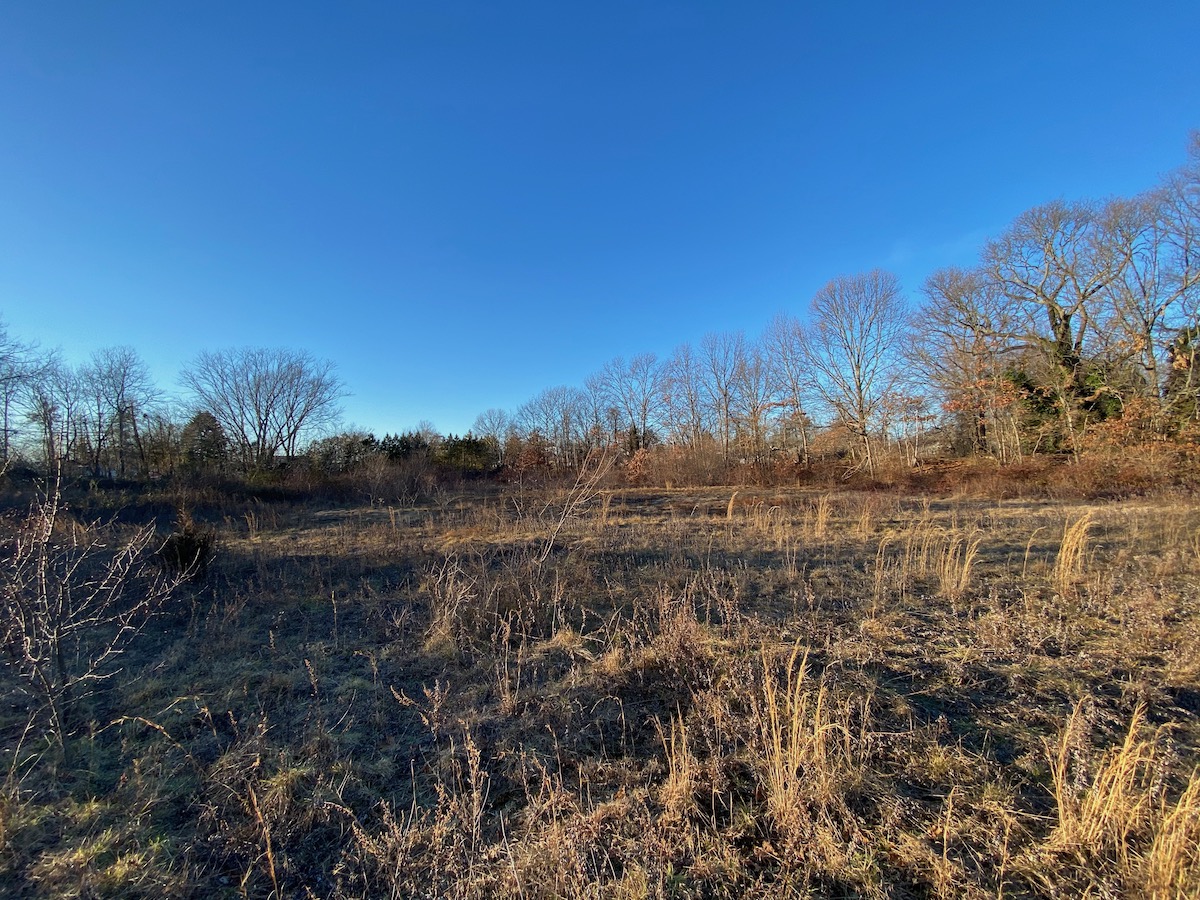
Your first question must be “So why MUST we create native habitat in our sumps? Your second question will likely be “what is a sump anyway?” Long Island: Land of Sumps Lets tackle the second question first. A sump is a basin that collects runoff. With all the asphalt and houses that were laid atop…
The Future Is In Indoor Farming
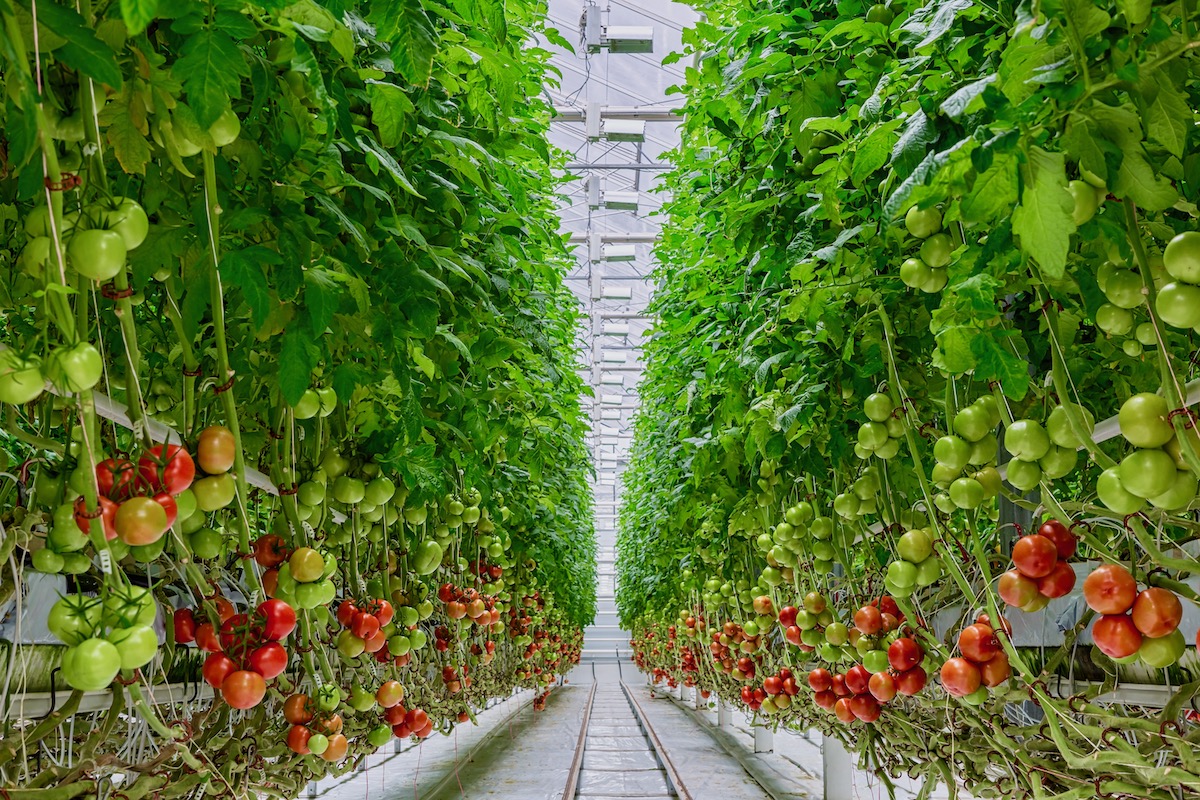
Indoor farming is now a necessity. For the last 12,000 years, with the end of the last Ice Age, we have been farming mostly outdoors. The megafauna that often fed our hunter/gatherer ancestors disappeared with the melting ice, driven to extinction by climate change, and not from overhunting from hominids, as had been previously proposed.…

Local Stewardship: Rona Fried
Rona Fried is West Hills County Park’s local steward and benefactor. She is funding the removal of invasive plants and the establishment of an American Chestnut Mother Orchard and a seasonal wetland.

Our Earth Day Message: Planting Native
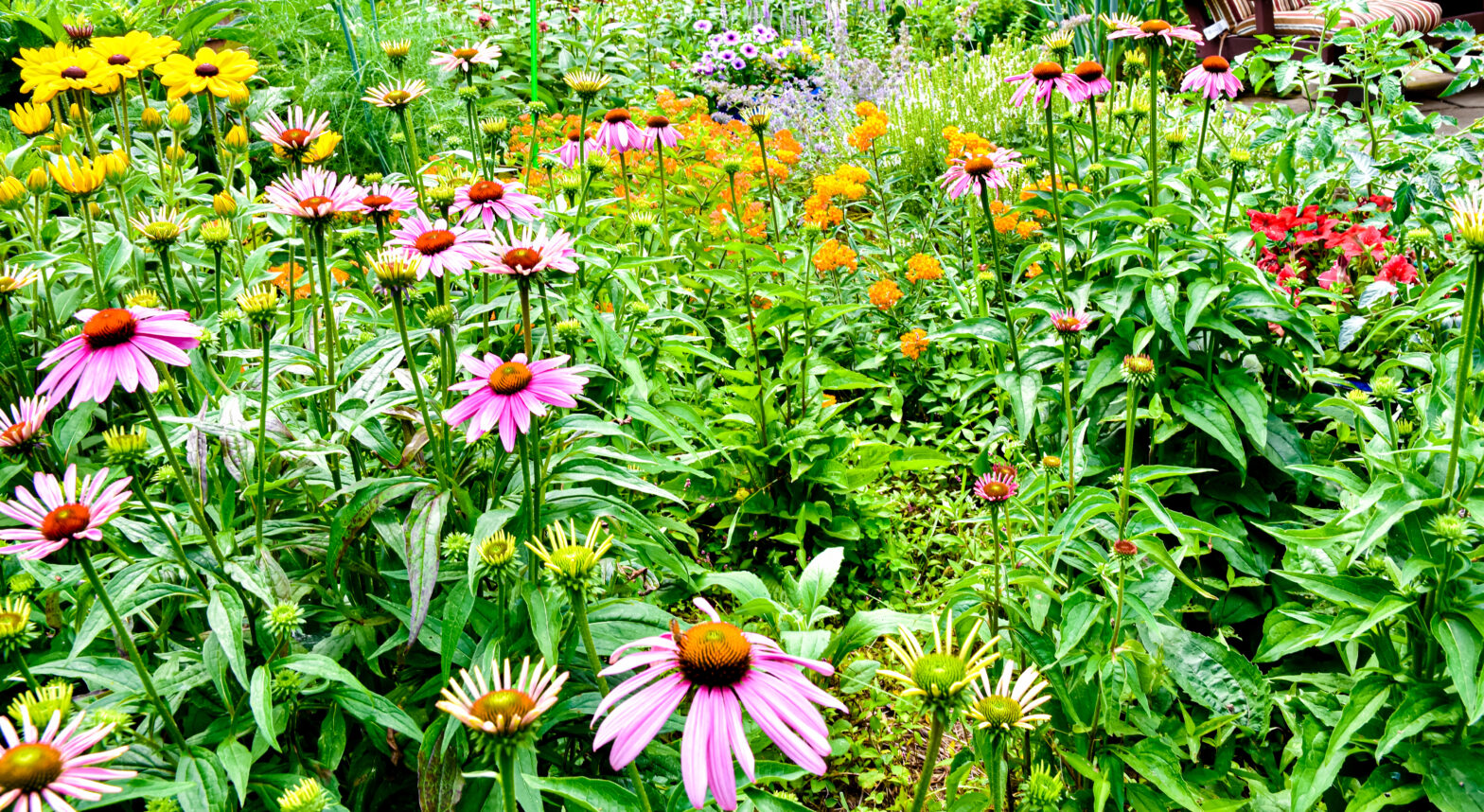
The mission of the Long Island Conservation Alliance is to help communities restore native habitat, whether in their open spaces or in their own yards. We support local stewardship, working with municipalities to teach the public about the importance of planting native. The future of our native wildlife depends on how well we can protect…

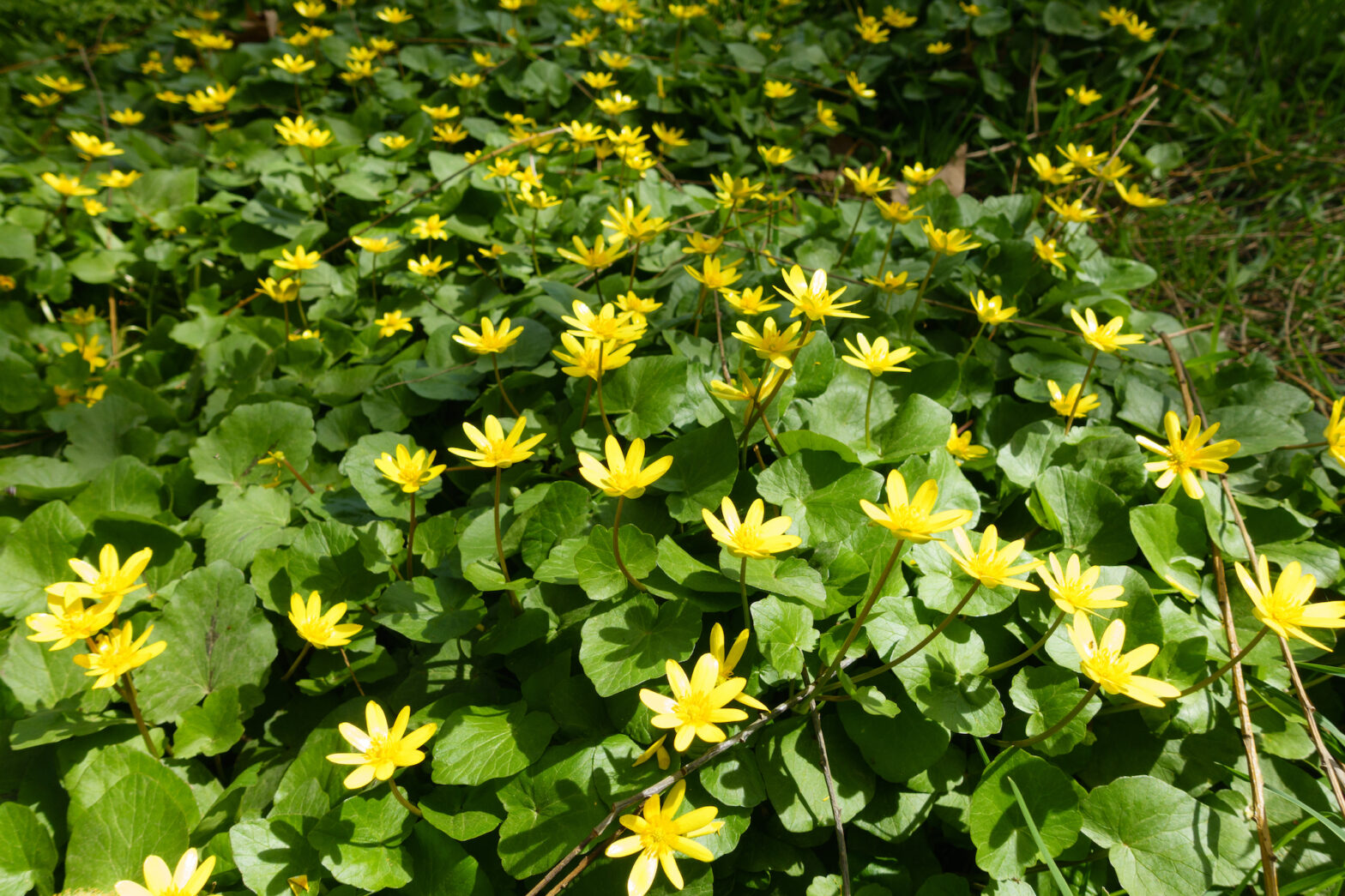
Invasive Plant: Lesser Celandine
Lesser Celandine, an early spring denizen, is an aggressive invasive plant that smothers native ephemeral flower and plants.
Book The Long Island Conservation Alliance
Long Island is facing an environmental crisis. What native habitat we have left is rapidly vanishing. We can do something about this.